
Tallinn’s suburbs and hinterland: where to rent a flat or buy a home?
Tallinn’s property market has in recent years been under pressure from economic downturn and the rising cost of living. Sales of new-build flats have fallen, yet prices remain high. The secondary market is active but still too expensive for many families. As a result, home-seekers are increasingly looking beyond the official city limits – towards the suburbs and the wider hinterland, where the living environment is of high quality but prices are more affordable.
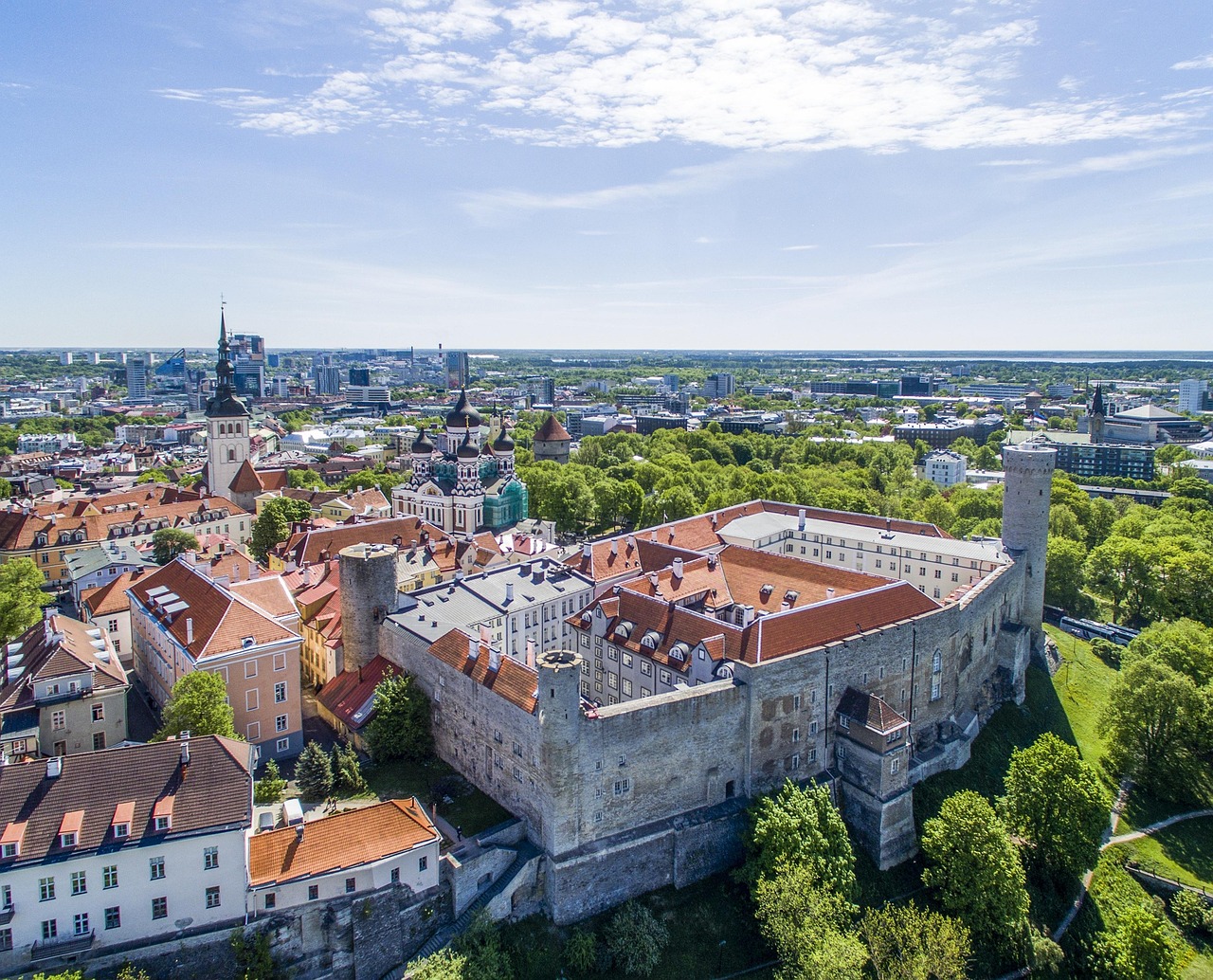
Photo: Pixabay
The portal City24 outlines current rental and purchase prices for flats in the areas surrounding Tallinn and highlights which settlements outside the capital are particularly attractive to those looking to rent or to buy a home of their own.
The suburban belt – fast connections with the capital
The term “suburb” has been defined in many different ways in Estonia. For some, suburbs are garden-city areas such as the Nõmme or Pirita districts of Tallinn; for others it is a much broader concept. In this overview we take a slightly simplified approach and treat as Tallinn’s suburbs all settlements that lie beyond the official city boundary yet within roughly a 30-minute drive of the city centre.
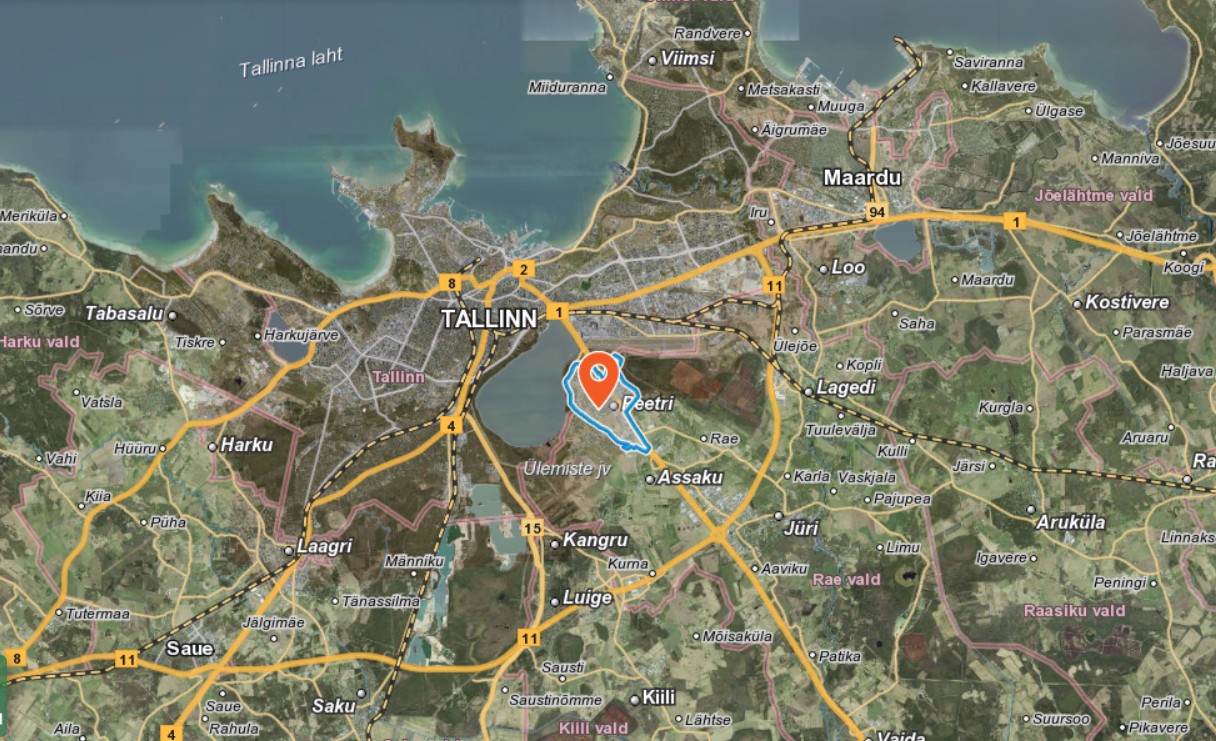
Peetri and Järveküla
Directly on Tallinn’s southern border, in Rae municipality, lie Peetri (together with Mõigu) and Järveküla – two of the fastest-developing suburbs of the last decade. These former fields have been transformed into a modern semi-urban living environment, with the now virtually merged settlements forming a single whole.
The key to the area’s success is its strategic location. The immediate proximity of the airport, Ülemiste City and the Tallinn ring road makes daily journeys quick and convenient. People working in the IT sector particularly value the fact that they can reach the Ülemiste technology business hub in just 5–10 minutes, while the airport is close at hand for both business and leisure travel. The nearby ring road enables easy access to other parts of Tallinn while avoiding city-centre traffic.
Infrastructure in the area is modern and well thought out. Peetri School and several nursery schools offer high-quality education, while retail space meets everyday needs. Cycle and pedestrian paths, sports grounds and playgrounds have been built. New developments are constructed to contemporary standards – energy-efficient buildings, good parking solutions and well-maintained landscaping.
The property market reflects the area’s popularity. Average asking prices for flats reach €3,235 per square metre, while average rents in Peetri are around €12.90 per square metre. Although this is more affordable than central Tallinn, prices are higher than in most other suburbs. The market is active – there are close to a hundred listings for sale and for rent, indicating both high demand and ongoing development activity.
The population consists mainly of young families and middle-class professionals. Many work in nearby business parks, Ülemiste City or Tallinn city centre. The community is international – a significant share of IT workers are foreign nationals.
Peetri and Järveküla are well suited to those seeking a contemporary living environment in the immediate vicinity of the capital and who are prepared to pay a higher price for it. The area is ideal for career-focused residents who value good infrastructure, fast connections and a high-quality environment. Families with children particularly appreciate the good schools and safe surroundings.
See rental listings in Peetri here.
Flat sale listings can be found here.
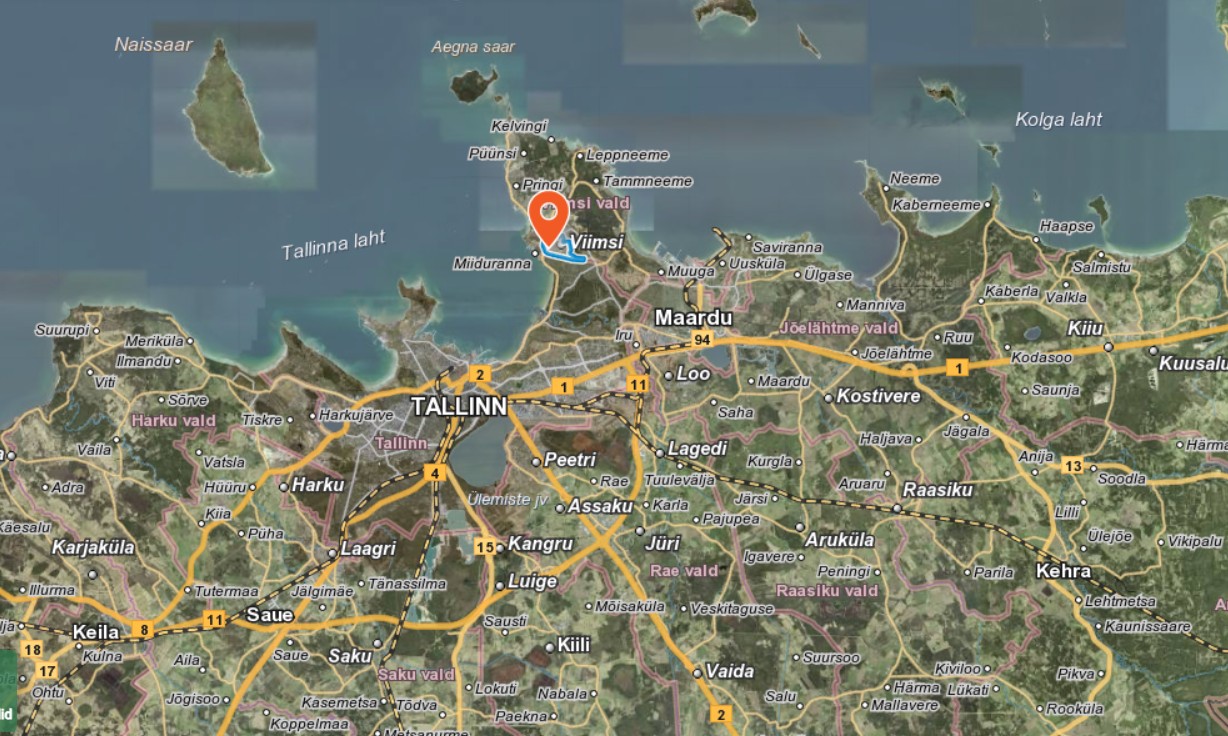
Viimsi
To the east of Tallinn lies Viimsi municipality on the Viimsi peninsula – one of the most prestigious and sought-after suburban areas. Its seaside location and well-developed infrastructure have made Viimsi a dream location for many families wishing to combine closeness to nature with urban comforts.
Viimsi’s trump card is its diverse living environment. The sea surrounding the peninsula, well-maintained cycle and footpaths, green areas and seaside promenades create a pleasant setting for both sport and leisurely walks. The range of educational institutions is impressive – Viimsi School, Viimsi Upper Secondary School and several nursery schools are known for their high standards. Viimsi Centre and other shopping areas offer all essential services, while spas and sports facilities further enhance quality of life.
The area is characterised by its housing stock – detached houses and terraced houses dominate, giving Viimsi the feel of a garden suburb. Blocks of flats are concentrated mainly in Haabneeme and the municipal centre, where most services are located. This makes the flat market relatively small and exclusive – only a couple of dozen flats are on sale and fewer than five are available to rent.
Transport is both Viimsi’s strength and its weakness. Public transport connections with Tallinn are good – buses run regularly and frequently at peak times. However, car traffic has become problematic – morning and evening rush-hour congestion on Pirita Road makes getting to the city centre time-consuming. This has led many residents to consider alternatives such as remote working or flexible working hours.
The property market reflects the exclusivity of the area. Average asking prices for flats reach €3,259 per square metre, while average rents for flatsin Viimsi are around €12.20 per square metre. Although this is still somewhat cheaper than central Tallinn, prices are higher than in many other suburbs. Limited supply keeps prices consistently high.
Viimsi is well suited to affluent families who value a high-quality living environment, proximity to the sea and good education. The area is also popular with foreigners and returning Estonians. It is an ideal choice for those willing to pay a premium for an exclusive location and established infrastructure, and who can cope with traffic problems or find ways around them.
See rental listings in Viimsi here.
Flat sale listings can be found here.

Maardu
Located to the north-east of Tallinn, just 15 kilometres away, Maardu is a town of around 16,000 inhabitants with a predominantly Russian-speaking population. Its multicultural environment gives the town a distinct character that sets it apart from other Tallinn suburbs.
Maardu is an industrial town with a strong manufacturing sector and many local jobs. Muuga Harbour, logistics companies and industrial plants are the largest employers. This means that many residents do not need to commute to Tallinn for work. Connections with the capital are nevertheless good – buses run regularly and motorists can reach the city centre in about 20 minutes.
The town has all the essential infrastructure – schools and nursery schools, a medical centre, cultural centre and sports hall. The recreational area around Lake Maardu offers opportunities for leisure. For larger shopping centres, residents typically head to T1 Mall of Tallinn or Ülemiste Centre.
The property market in Maardu is among the most affordable in the Tallinn region. Flat prices can be up to a third lower than in the capital. Most blocks of flats date from the Soviet era, but in recent years facades have been renovated and some new residential buildings developed.
The rental market is active – there are more listings than in many other suburbs, as Maardu’s low prices attract both local workers and those seeking affordable accommodation near Tallinn.
Average rents for flats in Maardu are around €10.30 per square metre. The average asking price for flats for sale is €2,070 per square metre.
Maardu is particularly suitable for those looking for very affordable housing close to Tallinn and for whom a multicultural environment is not an obstacle. It is also a good choice for those working in Muuga Harbour or in the Maardu industrial area.
See rental listings in Maardu here.
Flat sale listings can be found here.
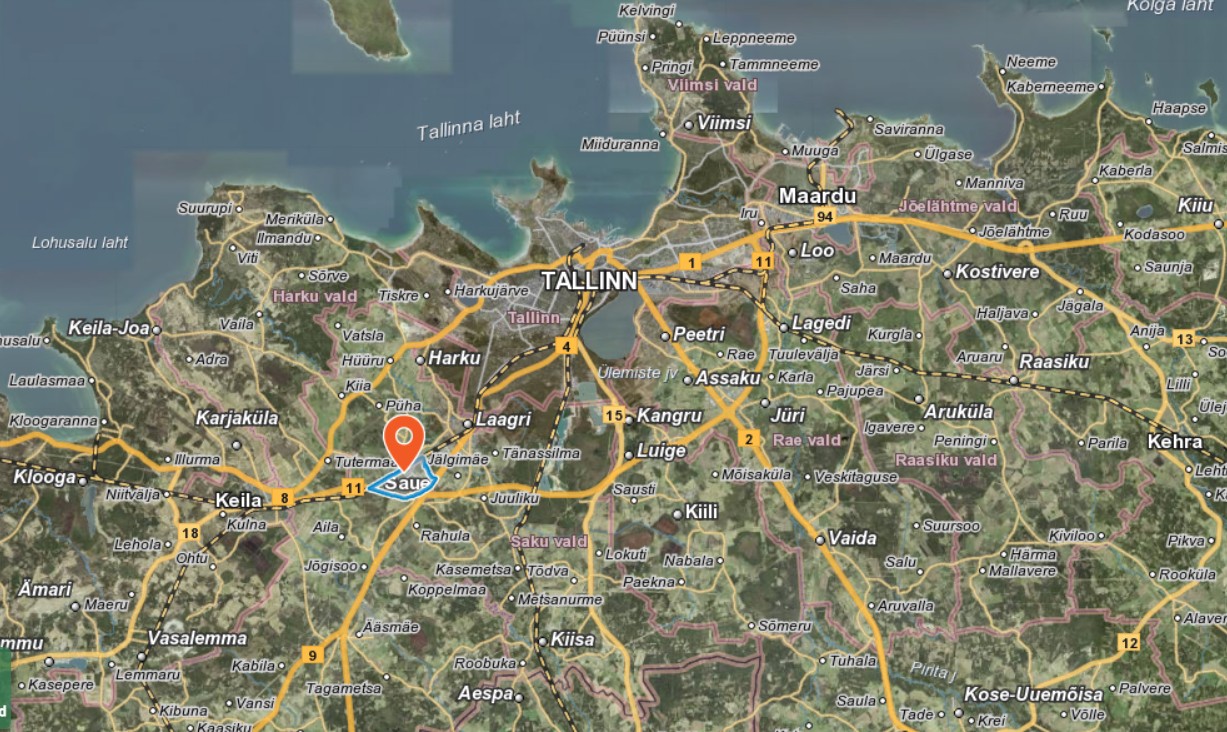
Laagri and Saue
To the west of Tallinn, the neighbouring settlements of Laagri and Saue have over the last decade become increasingly attractive residential areas, especially for families seeking a good balance between urban convenience and a quieter living environment. Both settlements have good road and rail links to the capital, making daily commuting convenient.
Laagri has rapidly grown into a sizeable small town dominated by newer detached and terraced houses. A strong sense of community has developed here, with a functioning school and nursery school and sufficient shops for everyday needs. The heart of the settlement is Laagri Centre, with its range of services and shops.
The average monthly rent for flats in Laagri is around €12.30 per square metre, while the average asking price for flats is €3,157 per square metre.
Saue offers an even calmer alternative. As a small town, Saue has retained a cosy atmosphere while providing all the necessary services – a good school, sports facilities and cultural life. The rental market is even more affordable here – average rents are around €10.70 per square metre. Average asking prices for flats are around €2,919 per square metre.
In both areas the number of rental listings is modest, which suggests that the majority of residents are long-term owner-occupiers. This creates a stable and safe living environment where neighbours know each other and children can grow up in peace.
See rental listings in Laagri here.
Flat sale listings can be found here.
See rental listings in Saue here.
Flat sale listings can be found here.
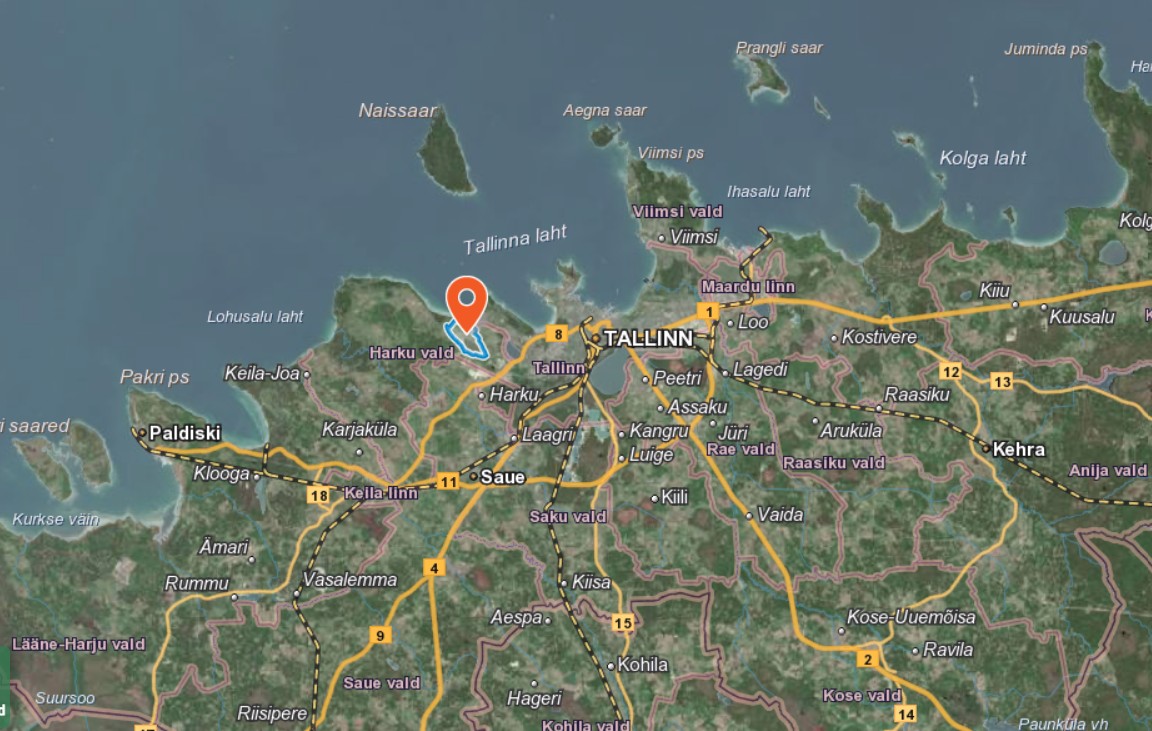
Tabasalu and Harku municipality
To the west of Tallinn, on a coastal escarpment, lies the small town of Tabasalu and the surrounding Harku municipality – one of the most prestigious suburban areas. The Rannamõisa cliff, sea views and pine forests create a special environment that attracts mainly well-off families and those who highly value closeness to nature.
Tabasalu has grown over the past couple of decades into a fully-fledged small town. It has a high-quality upper secondary school, several nursery schools, a sports hall, shopping centre and other shops. The area’s good road network and cycle paths are particularly appreciated, allowing safe movement on foot and by bike. Connections to Tallinn city centre are fast – around 30 minutes by car and slightly longer by public transport.
Other settlements in Harku municipality – such as Türisalu, Muraste and Suurupi – offer an even more private living environment. The Muraste detached-house area is known for its greenery and well-considered planning, while Suurupi attracts those who want to live close to the sea. These locations are especially suitable for those wishing to live amidst nature yet still within reasonable distance of the capital.
Property prices for detached and terraced houses in Tabasalu and Harku are somewhat higher than the Tallinn average, but flat rents are around 15–20% lower than in the capital – at about €10.70 per square metre. Rental listings are scarce, indicating that most residents are long-term owner-occupiers, which in turn fosters a stable community.
The average asking price for flats in Tabasalu has been on an upward trend over the past year and stands at €3,599 per square metre.
The area is well suited to families who value a high-quality living environment, good schools and closeness to nature, and who are prepared to pay somewhat more than in other suburbs of Tallinn.
See rental listings in Tabasalu here.
Flat sale listings can be found here.
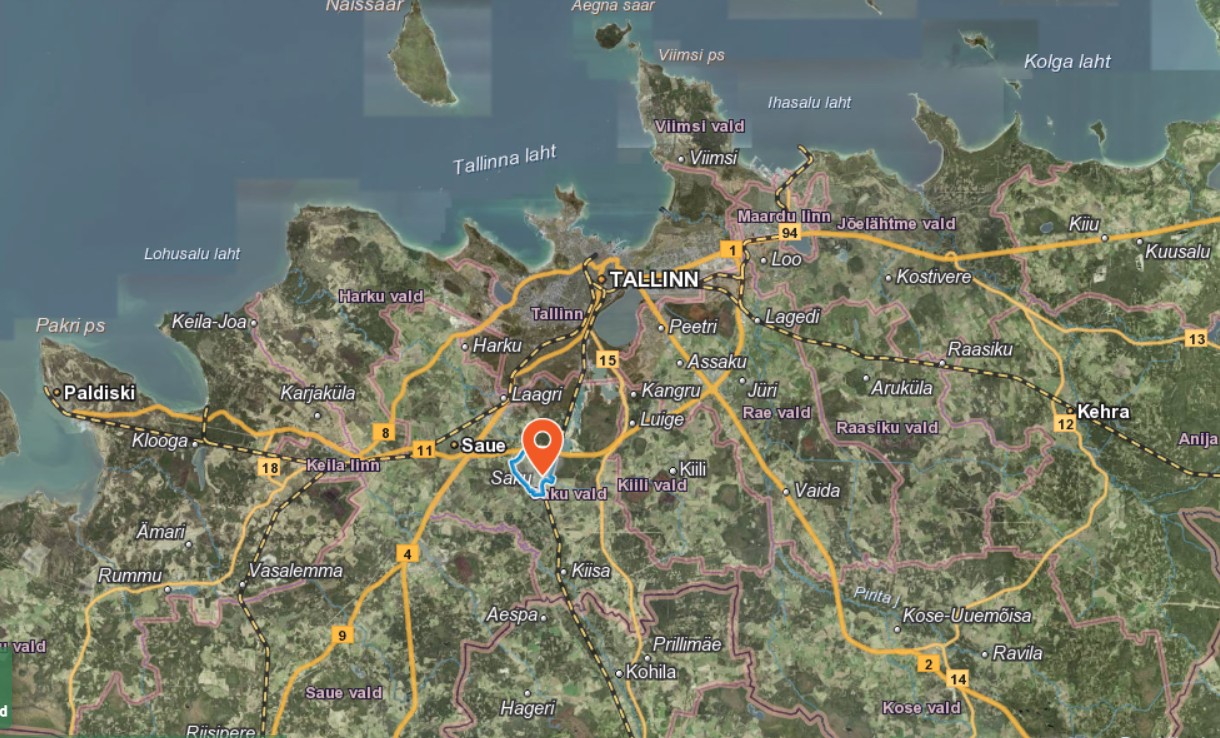
Saku and Kiili
To the south of Tallinn, the settlements of Saku and Kiili have in recent years become increasingly popular alternatives for those seeking a quieter living environment at a more affordable price. Both offer a good combination of semi-rural life and urban convenience while remaining within reasonable distance of the capital.
Saku is known primarily for its strong community and good education. Saku Upper Secondary School is one of the most highly regarded rural schools in Estonia, attracting young families to the area. Saku has all the necessary services – nursery schools, a medical centre, sports hall and sufficient shops. Connections with Tallinn are good by both car and train – the latter is particularly convenient for those working in the capital. The train journey from Saku to Tallinn’s Baltic Station takes around 20 minutes.
Kiili is slightly smaller but developing rapidly. Over the last decade many new detached-house and terraced-house developments have sprung up there. Kiili’s main advantage is its location – only about a 15-minute drive from the Tallinn city boundary, yet far enough from big-city noise and bustle. The local upper secondary school has a good reputation, and there is also a nursery school and shops for basic needs.
In both areas detached and terraced houses dominate; there are fewer blocks of flats. The rental market is modest, with few listings, again indicating that most residents are owner-occupiers. In Saku, the average asking rent for flats is around €11.70 per square metre. In Kiili, rental listings for flats are practically non-existent.
Average asking prices for flats in Saku are €3,541 per square metre and in Kiili €3,221 per square metre.
Saku and Kiili are ideal for those who value peace, space and a community-oriented lifestyle but do not wish to move too far from the capital. They are particularly attractive to families with children looking for a safe environment with good schools and proximity to nature.
See rental listings in Saku here.
Flat sale listings can be found here.
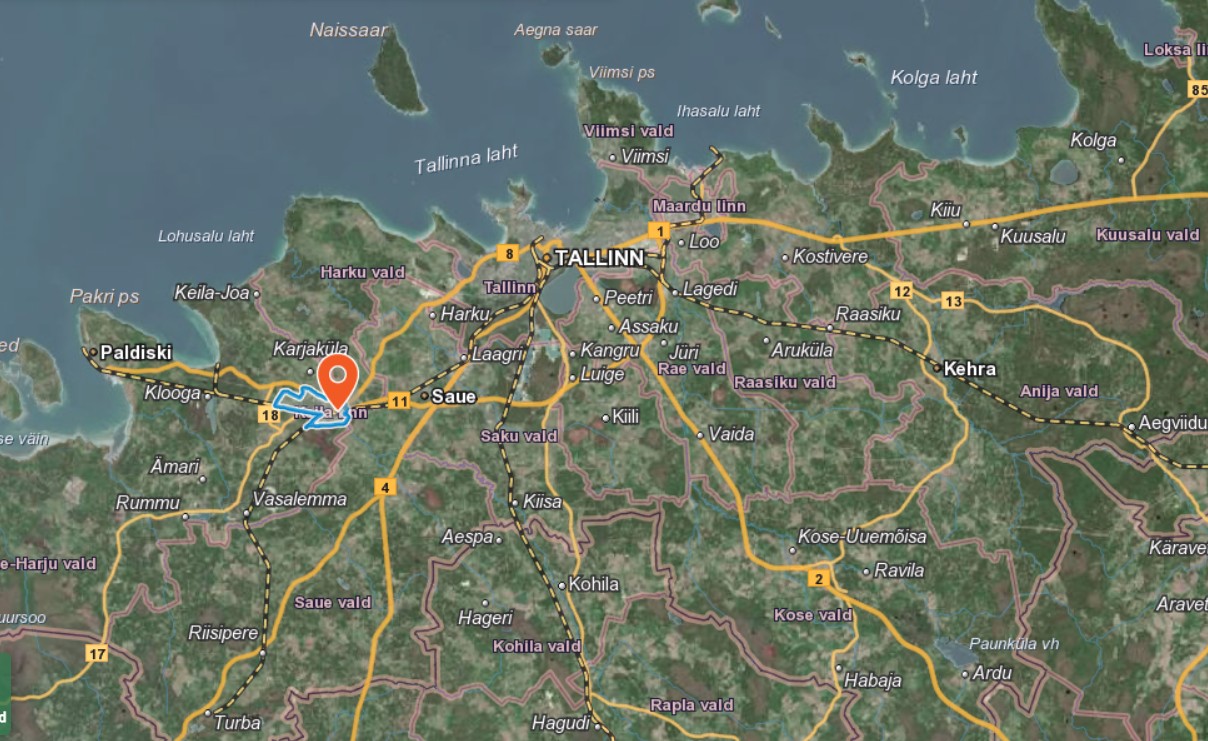
Keila
To the west of Tallinn, about 25 minutes by train or 30 minutes by car, lies the town of Keila – one of the largest and most self-sufficient centres in Tallinn’s wider hinterland. Unlike many other suburbs, Keila is not merely a dormitory town but a fully-fledged small town with its own history, identity and diverse living environment.
Keila’s great strength is its excellent transport connection to the capital. Trains on the Tallinn–Paldiski line run every 30 minutes at peak times and hourly at other times. This makes daily commuting both convenient and environmentally friendly. Motorists can use either the Tallinn–Paldiski road or the parallel Tallinn–Keila–Paldiski main road.
The town has everything needed for independent living – several good schools and nursery schools, a cultural centre, sports hall with swimming pool, hospital and a wide range of shops and services. The quality of education in Keila means many families do not feel the need to send their children to school in Tallinn. The cultural centre and active local community ensure a rich cultural life.
The property market in Keila is varied – there are Soviet-era blocks of flats, newer developments and more private detached-house areas. Flat prices can be up to a third lower than in Tallinn, making Keila attractive both for first-time buyers and for pensioners. The rental market is active thanks to local jobs and the many students who attend universities in Tallinn. The average asking rent for flats is around €11.60 per square metre, while average asking prices for flats for sale are around €2,754 per square metre.
Keila is suitable for those who wish to live in a genuine small town with all amenities while retaining a good connection to Tallinn. It particularly appeals to people who value independence – it is perfectly possible to live comfortably here without going to the capital every day, yet Tallinn remains within easy reach when needed.
See rental listings in Keila here.
Flat sale listings can be found here.
The wider hinterland – further away, but more affordable
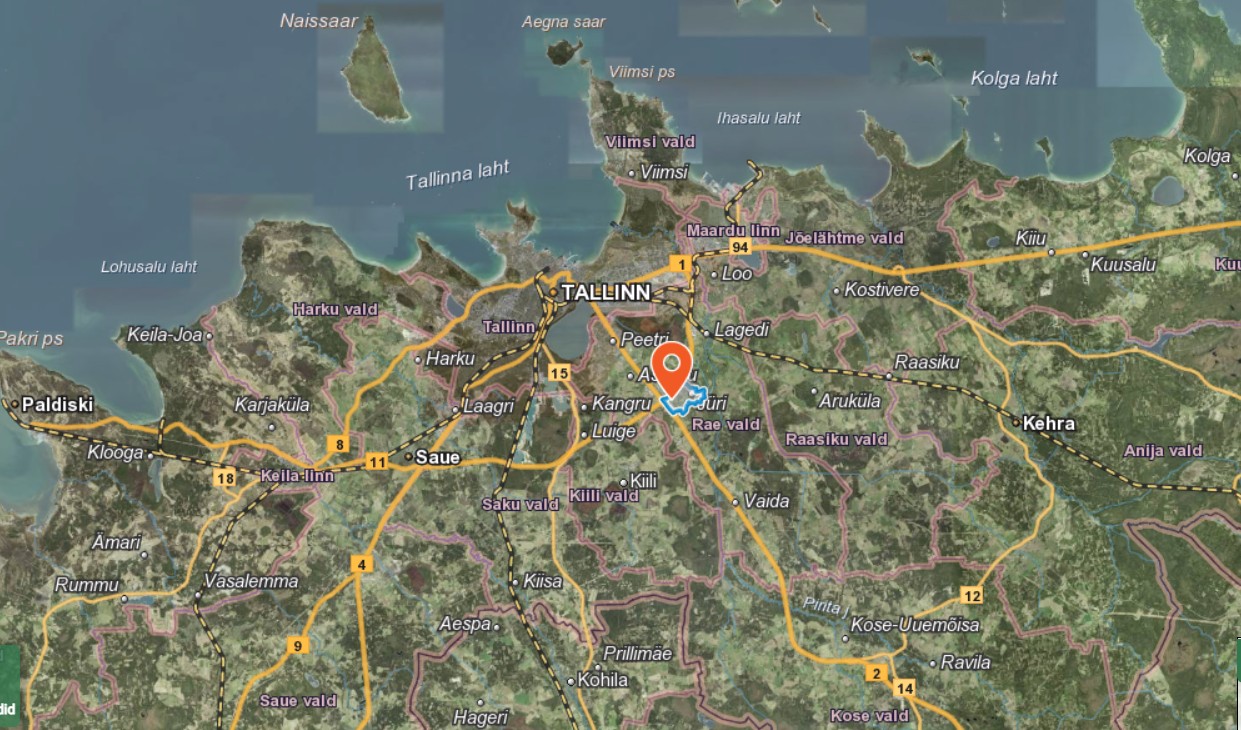
Jüri and Aruküla
To the south and south-east of Tallinn, the settlements of Jüri and Aruküla represent two different suburban development paths – one fast-growing and modernising, the other a more slowly developing railway village. Both offer good alternatives to the capital’s high property prices.
Jüri, in Rae municipality, is one of the success stories of the last decade. What was once a small village has become a modern, well-planned small town with numerous new residential areas, shopping centres and service providers. Connections with Tallinn are fast – by car you can reach the city centre in about 20 minutes along the Tartu road.
Aruküla, in Raasiku municipality, is noticeably calmer and more traditional. Located on the railway line, it offers a good train connection to Tallinn – trains reach the Baltic Station in about 30 minutes. This has made Aruküla popular with those who prefer public transport to driving. The settlement has a basic school, nursery school and essential services, while for a wider range of shops and services residents head to Jüri or Tallinn.
The rental market in Jüri is more active due to the proximity of Ülemiste City, which brings many IT workers to the area. The average asking rent for flats is around €11.60 per square metre.
In Aruküla there are fewer rental listings, but prices are significantly more affordable – average rents are around €9.60 per square metre.
Average asking prices for flats are €2,858 per square metre in Jüri and €2,207 per square metre in Aruküla.
Jüri is well suited to those who want a modern living environment with all amenities and are willing to pay a little more. Aruküla is an ideal choice for people who value good rail connections, a calmer lifestyle and lower prices. Both are good options for families with children seeking a safe environment outside the capital.
See rental listings in Jüri here.
Flat sale listings can be found here.

Kohila and Kiisa
To the south-west of Tallinn, on the border of Rapla County, lie the settlements of Kohila and Kiisa, which in recent years have become increasingly popular among those seeking a peaceful living environment a little further from the capital, but still within reasonable commuting distance. Both offer an attractive alternative to the more expensive suburbs.
Kohila is a historic industrial settlement on the river Keila, best known for its paper mill. In recent years it has become an attractive residential area thanks to affordable property and a quiet living environment. Kohila has all the essential services – a well-regarded upper secondary school, nursery school, medical centre and shops. The cultural centre provides an active social life and there are sports facilities both indoors and outdoors.
Kiisa is somewhat closer to Tallinn and smaller than Kohila. It is a quiet settlement dominated by detached houses and small blocks of flats. Kiisa is known for its strong sense of community – neighbours know one another and children can play outdoors safely.
Transport connections with Tallinn are largely car-based – it takes around 35–40 minutes to drive from the capital to Kohila, with Kiisa slightly closer. Public transport is available but less frequent, making car ownership practically essential, especially for those working in Tallinn.
Property prices in both settlements are significantly lower than in Tallinn or its nearer suburbs – average asking prices for flats are below €2,000 per square metre. This makes them particularly attractive to first-time buyers, young families and pensioners who wish to own their home without taking on an excessively large mortgage.
There are very few rental listings for flats in these settlements, making it difficult to estimate an average rent.
Kohila and Kiisa are well suited to those willing to accept a somewhat longer commute to work in exchange for more space, a quiet environment and a strong sense of community. They are ideal for remote workers or those who only go to the office a few days a week.
See rental listings in Kohila here.
Flat sale listings can be found here.
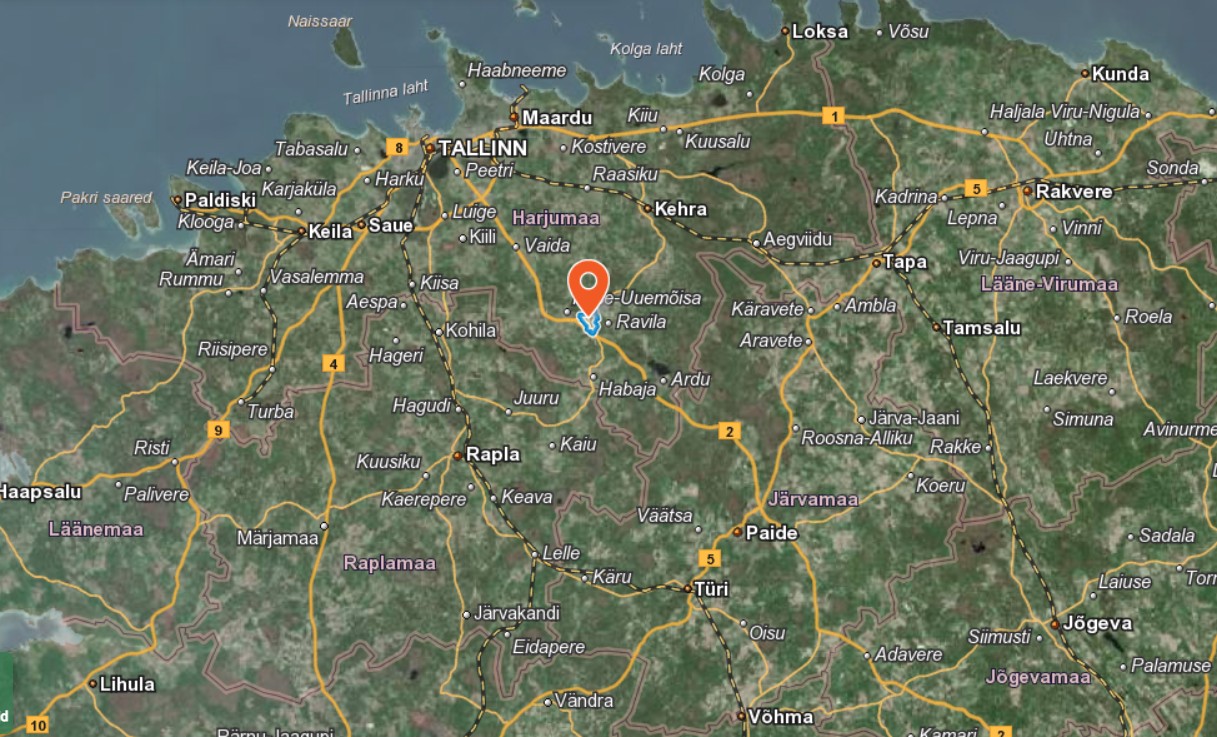
Kose
Around 40 kilometres from Tallinn lies the small town of Kose, a historic centre that offers an alternative for those willing to live slightly further from the capital in order to enjoy the peace of small-town life and significantly lower prices. Situated on the upper reaches of the river Pirita, Kose has preserved its traditional character and gentle pace of life.
Kose is a self-sufficient centre with a strong community. It has all the basic services – Kose Upper Secondary School is a well-regarded institution serving the wider area. There is also a nursery school, medical centre, cultural centre and sufficient shops for everyday needs. Sports facilities are good – there is a stadium, sports hall and cycle paths. The local natural environment is highly valued – nearby are the Kose-Uuemõisa landscape protection area and several walking trails.
Connections with Tallinn are mainly car-based – in rush hour the drive can take 45–50 minutes, and around 35 minutes off-peak. Public transport is available, but buses run less frequently than in the closer suburbs, again making car ownership practically necessary, especially for those commuting daily to the capital.
Kose has some of the most affordable property prices in Harju County. Flat prices are noticeably lower than in Tallinn on average, making homes accessible even to buyers with limited budgets. Most blocks of flats date from the Soviet era, but in recent years renovation work has begun. There are also newer detached houses and terraced houses. The average asking price for flats is around €1,644 per square metre.
The rental market is modest, with few listings, as most residents are long-term owner-occupiers. This fosters a stable community where people know one another. Rents are very affordable – around half the level in Tallinn, at approximately €6 per square metre.
Kose is well suited to those who work locally or remotely, as well as to pensioners seeking a peaceful environment close to nature. Families with children value the safe surroundings and good school. The small town is an ideal choice for those for whom daily commuting to the capital is not a priority and who appreciate community life and low living costs.
See rental listings in Kose here.
Flat sale listings can be found here.
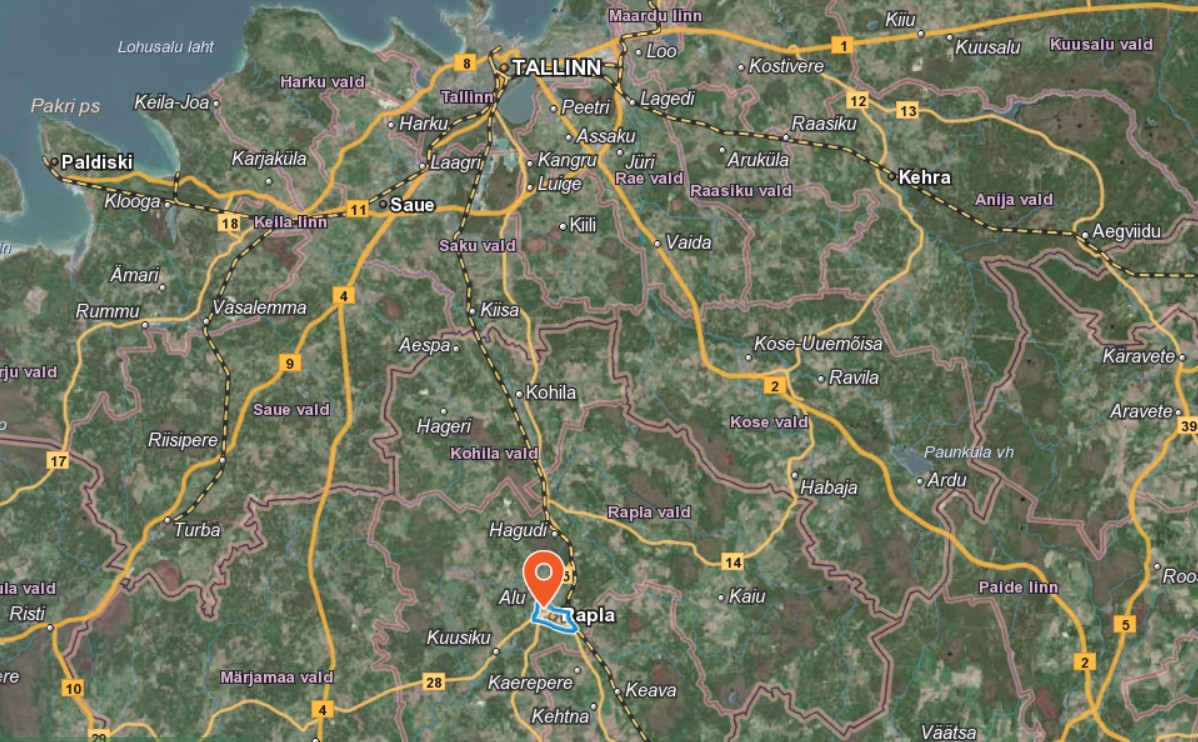
Rapla
Around 50 kilometres south of Tallinn lies the town of Rapla, the county capital, which offers an entirely self-contained lifestyle for those wishing to live in a small town while retaining access to the capital. Unlike the suburbs, Rapla is not just a dormitory town but a fully-fledged centre with its own identity and way of life.
Rapla’s strength lies in its status as a county centre – it has all the key state and regional institutions, a hospital, several schools and nursery schools. All the major retail chains are represented alongside many local businesses.
The town is large enough to provide jobs in a variety of sectors – public administration, education, healthcare, retail and industry. As a result, many residents do not need to commute to Tallinn for work. Rapla is also known for its strong community and active cultural life – regular events, concerts and festivals take place throughout the year.
Transport connections with Tallinn are available by both bus and car. Buses run regularly and the journey takes about an hour. By car, the capital can be reached in 45–50 minutes via the Tallinn–Rapla road. Many locals work in Tallinn only a couple of days a week or work remotely.
The property market in Rapla is affordable. Average asking prices for flats are around €1,886 per square metre. In the town centre there are renovated blocks of flats, while newer detached-house areas can be found on the outskirts. The condition of houses varies, but much investment has been made in renovation in recent years.
The rental market is moderately active. Landlords ask on average €8.90 per square metre in rent for flats.
Rapla is an excellent choice for those who wish to live a fully-fledged small-town life without the stress of the capital. It is ideal for remote workers, pensioners and families who value community, space and affordable housing. It is also a good option for those working locally or prepared for less frequent commuting to Tallinn.
See rental listings in Rapla here.
Flat sale listings can be found here.
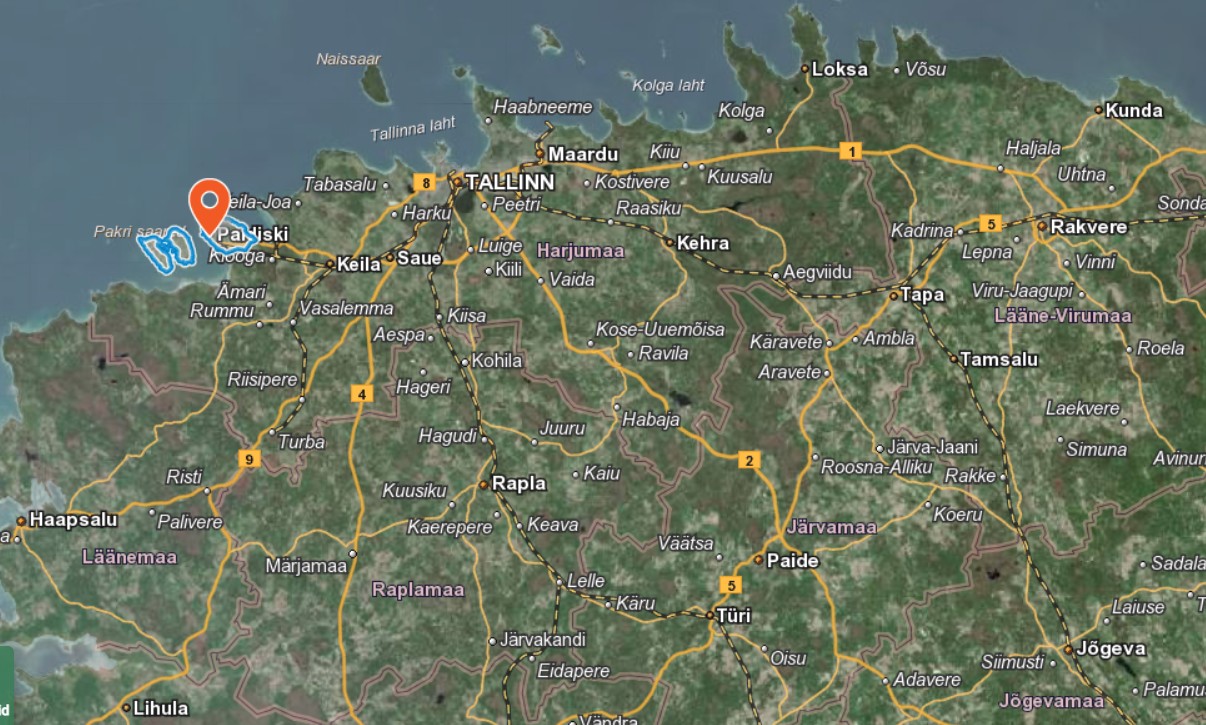
Paldiski
To the west of Tallinn, at the tip of the Pakri peninsula, lies the town of Paldiski – a unique place in the Estonian context. Formerly a closed military town, it has spent the last three decades searching for a new identity. Around 50 kilometres from the capital, this port town offers seaside living at markedly lower prices.
Today Paldiski is primarily a port town – the North and South Harbours are important freight transit hubs providing local jobs. The town is multicultural, with a large Russian-speaking community. Despite its complicated legacy, Paldiski has made significant progress in recent years – streets have been refurbished, buildings renovated and new recreational areas created.
The town has all the basic services – school and nursery school, medical centre, cultural centre and shops. Its natural assets are exceptional – the Pakri cliffs, Pakri islands and coastal landscapes offer unique views and leisure opportunities. These are particularly appreciated by nature lovers and water sports enthusiasts.
Connections with Tallinn are good – Elron trains run regularly, reaching the Baltic Station in around 45 minutes. By car, the journey takes 40–45 minutes along the Tallinn–Paldiski road. This makes Paldiski a realistic option for those willing to accept a somewhat longer commute.
Paldiski has some of the lowest property prices in Harju County. Average asking prices for flats are around €1,048 per square metre, making homes accessible even to buyers with very limited budgets. Most blocks of flats date from the Soviet period, but some have been renovated.
The rental market is active thanks to port workers and temporary residents. Rents are very affordable, at around €7 per square metre.
Paldiski is suitable for those seeking very affordable housing by the sea and for whom a multicultural environment is not an obstacle. It is a good choice for nature lovers, port workers and anyone who values space and quiet.
See rental listings in Paldiskii here.
Flat sale listings can be found here.
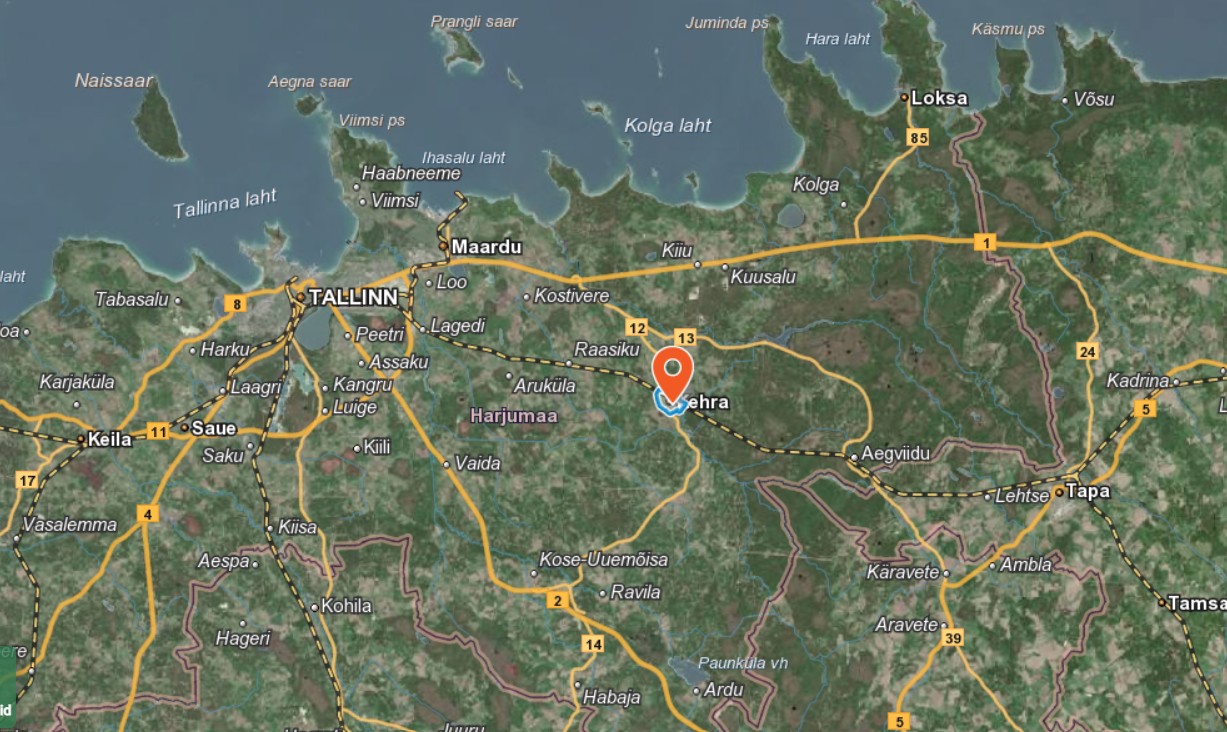
Aegviidu and Kehra
To the east of Tallinn, on the border between Harju and Lääne-Viru counties, lie the small town of Aegviidu and the town of Kehra, representing two different types of small centre – one an idyllic settlement in the forest, the other a historic industrial town on the river Jägala. Both offer alternatives to the expensive suburbs, but in very different ways.
Aegviidu is one of Estonia’s smallest municipal centres, situated on the edge of the Kõrvemaa nature reserve. This former railway workers’ settlement has retained the charm of a small town – wooden houses, pine forests and tranquillity. Aegviidu has a basic school, nursery school, library and a small shop. For nature lovers it is a paradise – hiking trails, the Nelijärve recreational area and rich mushroom and berry forests are right on the doorstep. The cultural life of the area centres around the historic railway station and its surroundings.
Kehra is noticeably larger and more industrial. The town grew up around a cellulose factory built in the 1930s, which still provides jobs for many locals. Kehra has all the services of a small town – an upper secondary school, nursery schools, medical centre, cultural centre and shops. In recent years much has been done to improve the town – blocks of flats have been renovated, cycle paths built and public spaces upgraded.
Transport is both the main challenge and advantage for both settlements. Aegviidu lies on the Tallinn–Narva railway; trains reach Tallinn in about 50 minutes. Kehra is also on the railway, with a journey time of around 40 minutes. By car, both settlements are 35–45 minutes from Tallinn, but car ownership is practically essential for everyday life.
The property markets in both are very affordable, but both sales and rental markets are very modest in volume.
Aegviidu is ideal for nature lovers, pensioners and remote workers seeking absolute peace and quiet. Kehra is a good choice for those working in local industry or seeking very affordable housing in a small town. Both are suitable for people willing to trade big-city comforts for a calmer pace of life and significantly lower costs.
See rental listings in Kehra here.
Flat sale listings can be found here.
Kuusalu and Loksa
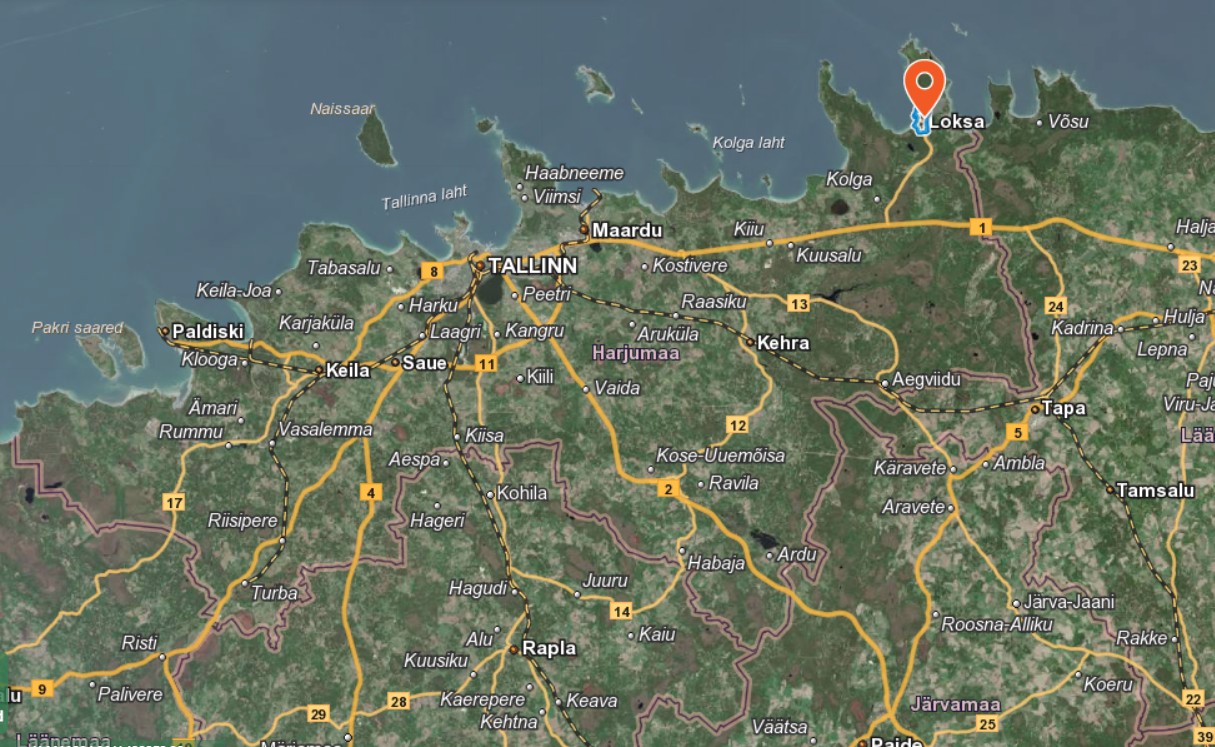
To the north-east of Tallinn, on the western edge of Lahemaa National Park, lie Kuusalu and the small coastal town of Loksa, offering seaside living in a scenic area around 50–60 kilometres from the capital. Both attract those seeking an alternative to the hustle and bustle of the city but who still wish to maintain access to Tallinn.
Kuusalu is a historic parish centre and today a focal point for local life. It has an upper secondary school, nursery schools, medical centre, cultural centre and shops. Kuusalu is known for its strong community and active cultural life – various societies and hobby groups operate here. Nearby Lahemaa National Park, several manor houses and a string of coastal villages make the area attractive especially for nature enthusiasts.
Loksa is a small seaside town that has undergone major change over the past couple of decades. Once a thriving fish-processing centre, it is now seeking a new identity through tourism and recreation. The town has all basic services – school, nursery school, cultural centre and shops. Loksa beach and harbour area are popular leisure spots in summer.
Transport connections with Tallinn are mainly car-based. Kuusalu can be reached from the capital by car in 45–50 minutes, and Loksa in about an hour. Public transport is available – buses run regularly but not very frequently. In practice, a car is necessary, especially for those working in Tallinn.
The rental market in both settlements is modest, with few listings, as most residents are long-term owner-occupiers. In summer, seasonal rentals for tourists and holiday-makers appear, particularly in the Loksa area.
Kuusalu is well suited to families who value good education, a strong community and closeness to nature. Loksa is ideal for those who love the sea and are looking for very affordable housing in a small coastal town. Both are suitable for pensioners, remote workers and people who travel to Tallinn only a couple of times a week. The scenic location and calm pace of life compensate for the greater distance from the capital.
Plenty of nature and peace, but less suitable for daily commuting; more appropriate for holiday homes or people whose work is mainly remote.
See rental listings in Loksa here.
Flat sale listings can be found here.
Tallinn’s property market is no longer confined to the city limits. Thanks to good infrastructure and rail and road connections, the suburbs and wider hinterland have become serious alternatives for home-buyers. While every square metre in the city centre comes at a high price, 20–50 kilometres away you can often get more space, a better living environment and even your own garden for the same money.
The price statistics highlighted in the article are based on the listing prices published on the real estate portal City24.ee as of 20 Marchr 2025.
Vali märksõna
Kõige populaarsemad
- 1

Oma saar, oma jõepiir – luksuslik elu kahele perele
- 2

Stiilne, ajalooline ja renoveeritud kodu Nõmme mändide all
- 3

Kristiine roheline süda: paarismaja, kus elu jaguneb mugavalt kolmele korrusele
- 4

Kas see on Tallinna kõige ihaldusväärsem elupaik?
- 5

Osa vanemast elamufondist kaotab kiiresti väärtust – miks?


